
Exploring Emotional Expression in Art: Understanding Mood and Meaning
- Piyush
- Sep 24, 2024
- 1 min read
Updated: Sep 25, 2024
Imagine walking through a gallery bathed in soft lighting, the air filled with whispers of artistic musings, and your eyes drawn to two paintings side by side, created by the same artist. At first glance, you might think they were crafted in different worlds altogether. The hues, the textures, the energy exuding from each piece – all serving as silent witnesses to the artist's emotional journey.
Here are some ways Emotional Expression can manifest in Art:
Color Palette: The choice of colors can reflect the artist's emotional state. For example, bright, vibrant colors might indicate joy or excitement, while darker, muted tones could suggest sadness or melancholy.

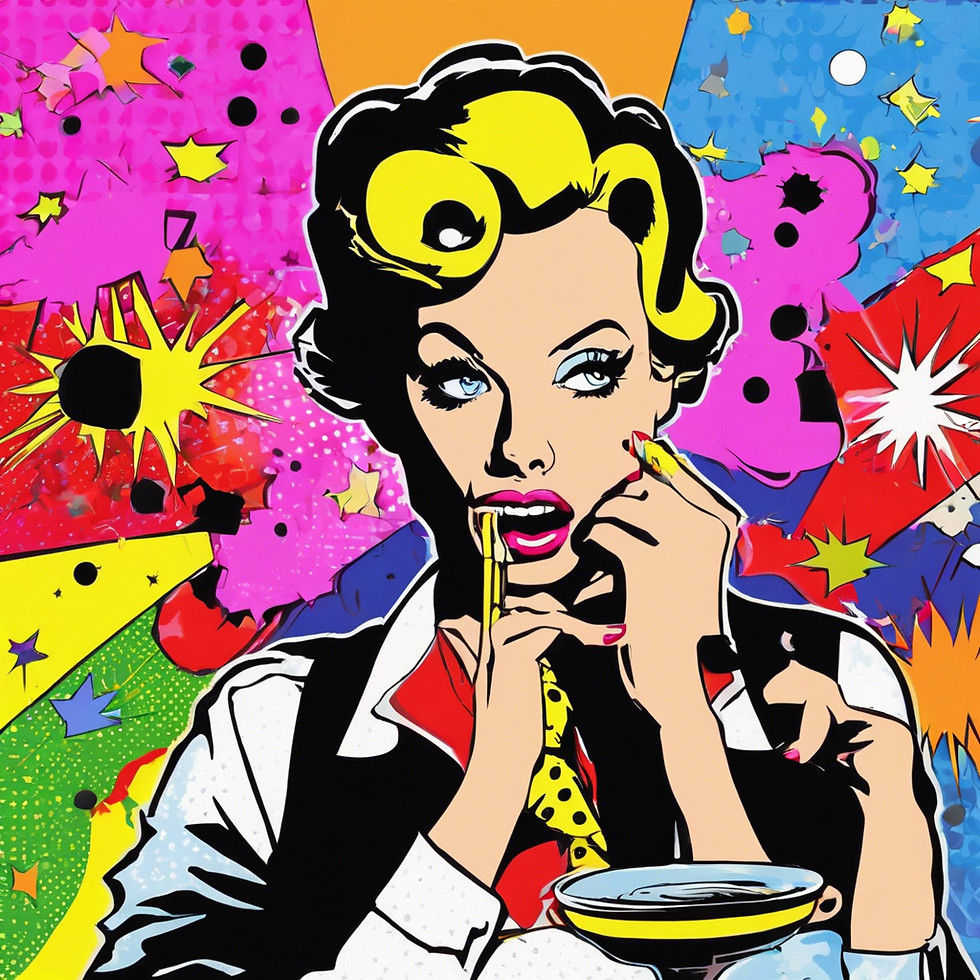
The bright, vibrant colors convey a sense of optimism or hope.
Brushstrokes: The way an artist applies paint can reveal their emotional intensity. Energetic, expressive brushstrokes might signify passion or anger, while gentle, delicate strokes could indicate calmness or serenity.

The bold and confident brushstrokes suggest a sense of self-assurance and assertiveness.
Composition: The arrangement of elements within a painting can reflect the artist's emotional perspective. A chaotic or unbalanced composition might suggest anxiety or turmoil, while a harmonious and balanced arrangement could indicate peace or contentment.

The chaotic yet controlled energy of the brushstrokes suggests a feeling of exuberance and excitement.
Subject Matter: The choice of subject matter can also be influenced by the artist's emotions. For example, a happy artist might paint a joyful scene, while a sad artist might focus on more somber themes.
In essence, a painting can serve as a visual diary of the artist's emotional state, providing a glimpse into their inner world.


Comments