
10 Surprising Elements of Pop Art Paintings You Need to Know
Welcome art enthusiasts! Are you intrigued by the captivating world of Pop Art paintings but want to delve deeper into the fascinating elements that make this art movement truly stand out? Look no further! In this listicle, we unveil 10 surprising aspects of Pop Art paintings that will enhance your appreciation for this vibrant and revolutionary artistic genre.
1. Bold Color Palette
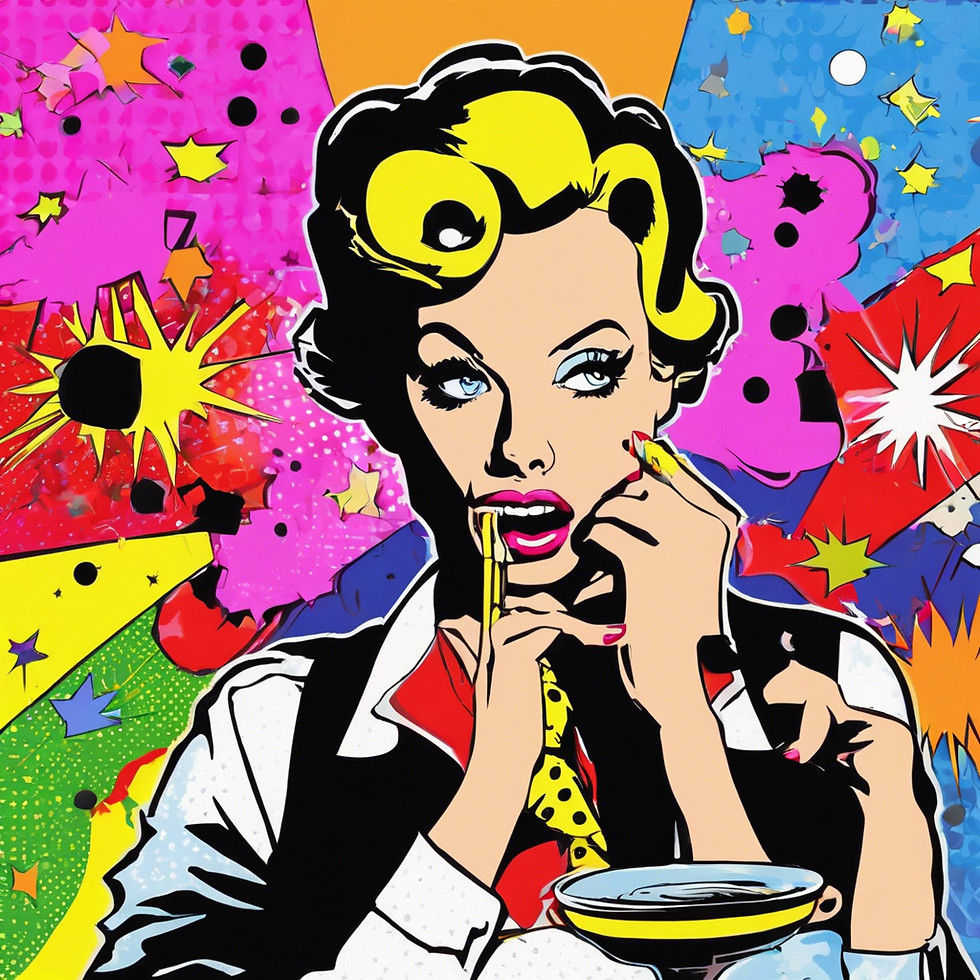
Pop Art paintings are renowned for their bold and vivid color choices. The striking use of primary colors like red, yellow, and blue, paired with contrasting shades, creates visually arresting compositions that jump off the canvas.
2. Everyday Objects
One of the defining features of Pop Art is its incorporation of everyday objects and consumer products as subjects. Artists like Andy Warhol and Roy Lichtenstein celebrated mundane items, turning them into art icons.
3. Repetition
Repetition plays a significant role in Pop Art paintings, symbolizing mass production and consumer culture. Artists often repeated images or motifs within a piece to emphasize the impact of popular culture on society.

4. Comic Book Influence
Pop Art drew inspiration from the world of comic books, with artists like Lichtenstein using Ben-Day dots to mimic the printing technique of comic strips. This infusion of popular culture into fine art challenged traditional artistic norms.

5. Celebrity Culture
Pop Art embraced celebrity culture, portraying famous personalities such as Marilyn Monroe and Elvis Presley in a larger-than-life manner. These depictions blurred the lines between high art and popular culture.

6. Irony and Satire
Many Pop Art paintings incorporate elements of irony and satire, critiquing consumerism, mass media, and societal norms. The use of humor and parody adds depth to seemingly simple compositions.
7. Mixing High and Low Art
Pop Art challenged the distinction between highbrow and lowbrow art by elevating everyday objects to the realm of fine art. This fusion of popular imagery with artistic expression created a dynamic and innovative art form.
8. Text as Art
Textual elements, such as signage, logos, and snippets of conversation, frequently appear in Pop Art paintings, adding layers of meaning and engaging the viewer in a dialogue with the artwork itself.
9. Collage and Assemblage
Some Pop Art pieces incorporate collage and assemblage techniques, blending different materials and objects to create multi-dimensional artworks. This experimental approach reflects the eclectic nature of the movement.
10. Cultural Critique
Beyond their aesthetic appeal, Pop Art paintings serve as a powerful tool for cultural critique. By reflecting and reframing the imagery of mass media and consumer culture, artists shed light on contemporary social issues.
From the vibrant color palette to the thought-provoking themes, Pop Art paintings continue to captivate audiences worldwide with their innovative and boundary-pushing creations. Embrace the unexpected and explore the dynamic world of Pop Art through its engaging and surprising elements!
Get ready to immerse yourself in a kaleidoscope of creativity and cultural commentary that defines the essence of Pop Art.
Remember, art is not just what you see; it's what you feel and what it makes you question. So, take a moment to appreciate the unexpected beauty and complexity of Pop Art paintings!
Unleash your inner art aficionado and embark on a journey through the vibrant world of Pop Art.
Let the colors, concepts, and creativity of Pop Art ignite your imagination and inspire you to view the world through a different lens!



Comments